Why we stay small.
The case for a studio that turns down more than it takes on — and what all those saved hours actually buy the people we work with.
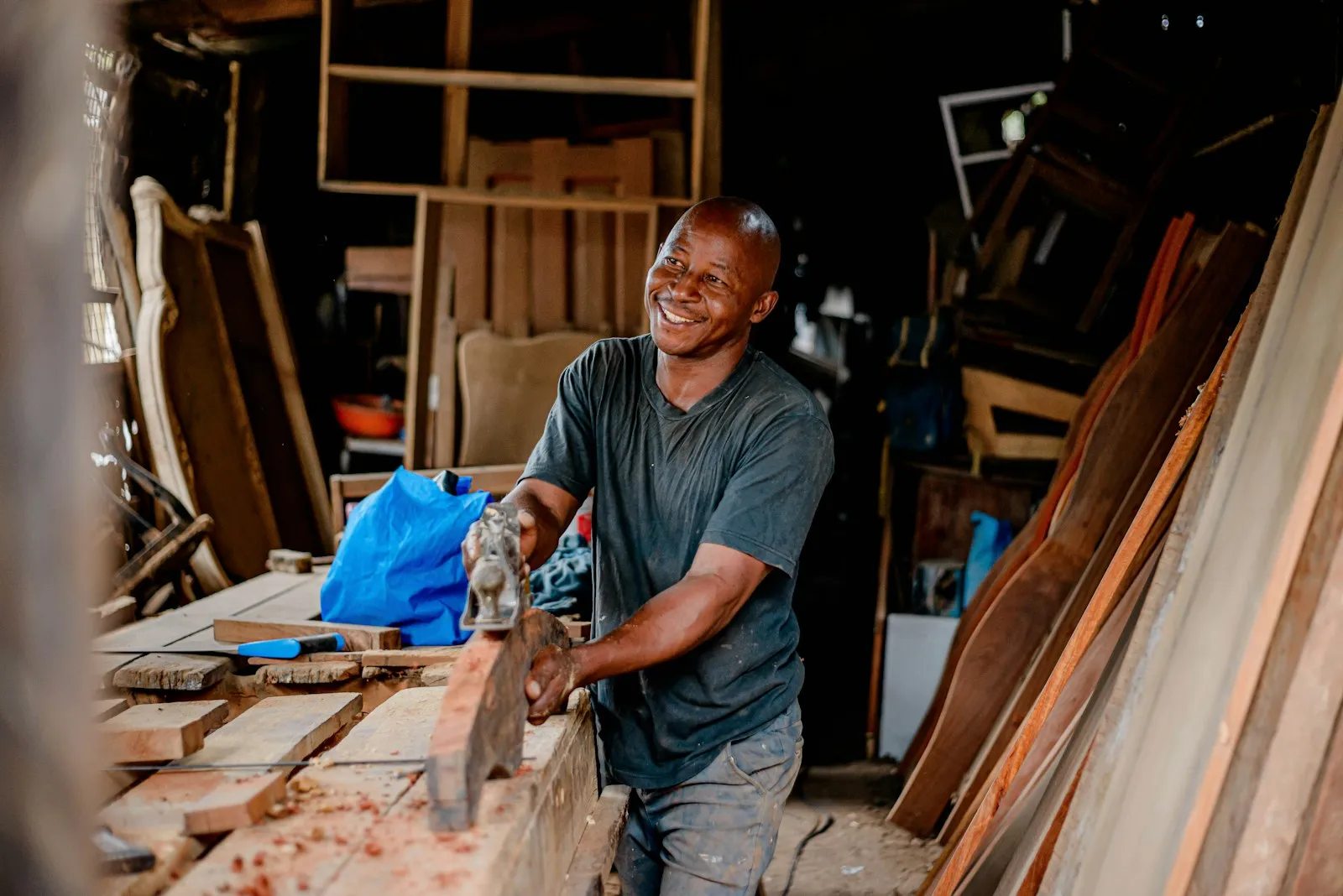
Every studio says it wants to grow. We decided early that we didn't — at least not in the usual direction, with more desks, more layers, and more people between you and the person doing your work. It's the decision we get asked about most, so here's the honest reasoning behind it.
Small is a quality decision, not a lifestyle one. A big studio wins the pitch with its best people and then, quietly, hands the work to whoever's free. A small one can't do that — the person who impressed you is the person who does it, because there's no one else to pass it to. Attention is the whole product, and attention doesn't scale.
So we turn down more than we take on. Saying no to work that isn't the right fit is how we protect the work we said yes to. A queue of clients waiting behind a wall of account managers isn't capacity — it's a waiting room, and you can feel it in the result.
Growth, for a lot of studios, is just a way to sell more of less. We'd rather sell less of more.
And the saved hours go somewhere real. The time a bigger studio spends managing itself — the status meetings, the handover documents, the internal politics — is time we spend on the small things others skip: the second draft, the awkward edge case, the detail nobody asked for but everybody feels. That's where the difference actually lives.
It's also, simply, more honest. The same people from the first call to the finished thing, no thread to lose, and you always know exactly who you're talking to. We're not against growth — we're against the version that quietly makes the work worse. Staying small is how the care survives contact with the invoice.